

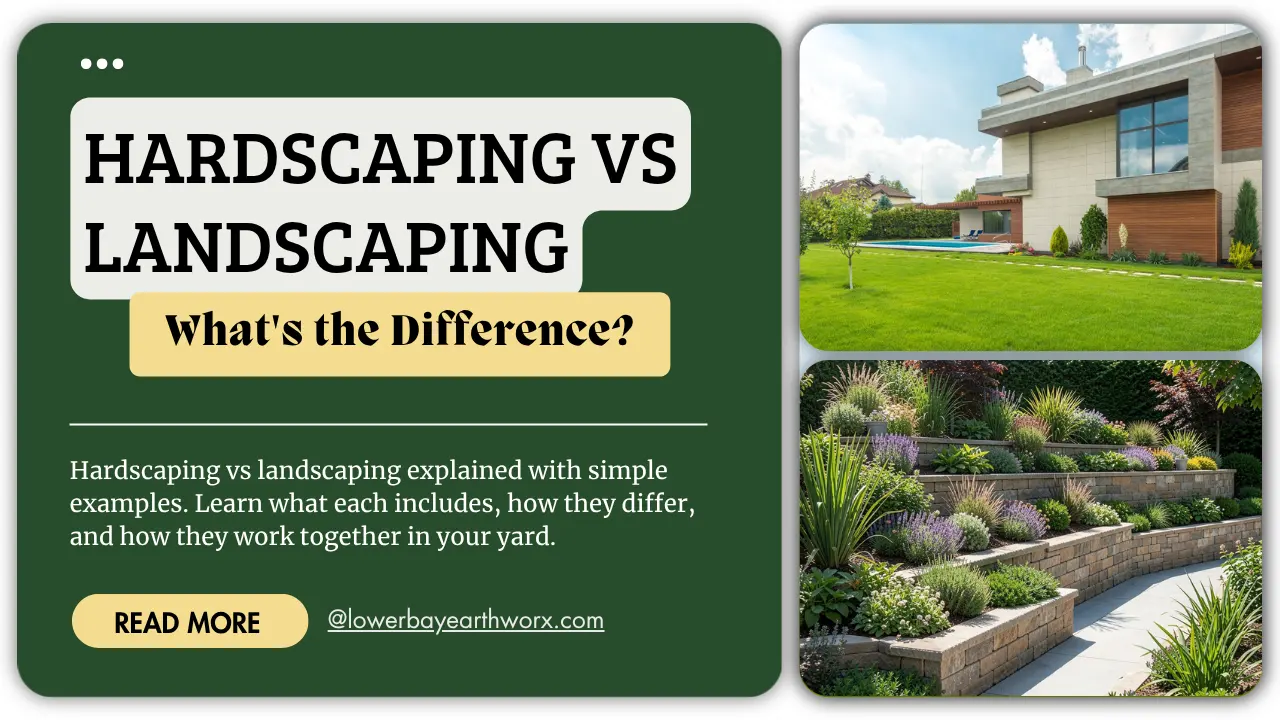
Here are a few ways to differentiate between hardscaping and landscaping: landscaping is the entire process of enhancing an outdoor property. Hardscaping is specifically related to non-living, built features. For an outdoor project to be successful, a combination of both may be necessary to create a beautiful and functional space.
Hardscaping vs Landscaping: An Overview
Knowing the difference between landscaping and hardscaping is an important part of planning outdoor projects. The words are frequently used in combination, but they represent two distinct types of work and materials.
What Is Landscaping?
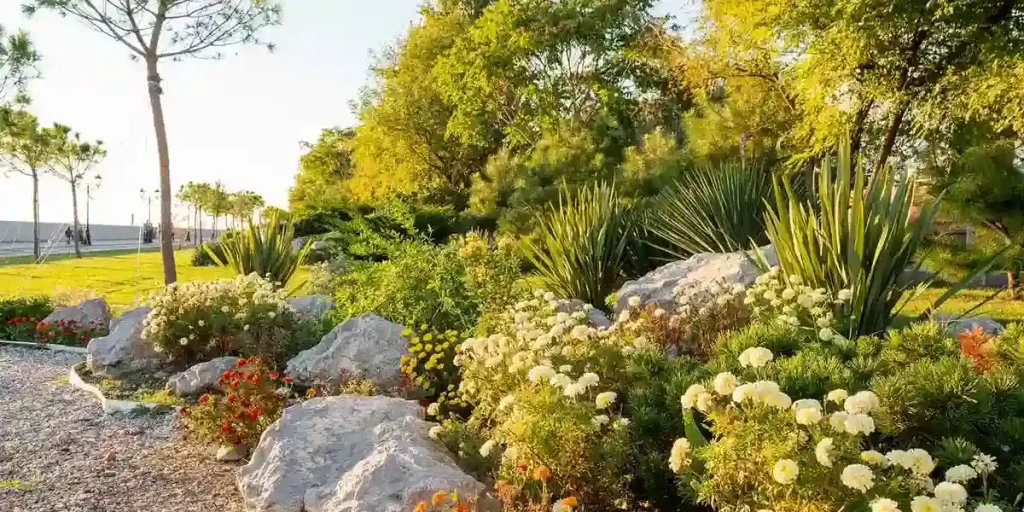
Landscaping refers to the overall enhancement and design of an outdoor property. It consists of the “soft elements” that change over time. This includes planting trees, installing new grass, and establishing colorful planting beds.
Landscaping also involves the work performed on the land. Soil grading to correct a slope, drainage installation to prevent puddles, etc., are important aspects of landscaping. It’s the whole package of improving the appearance and performance of your yard.
What Is Hardscaping?
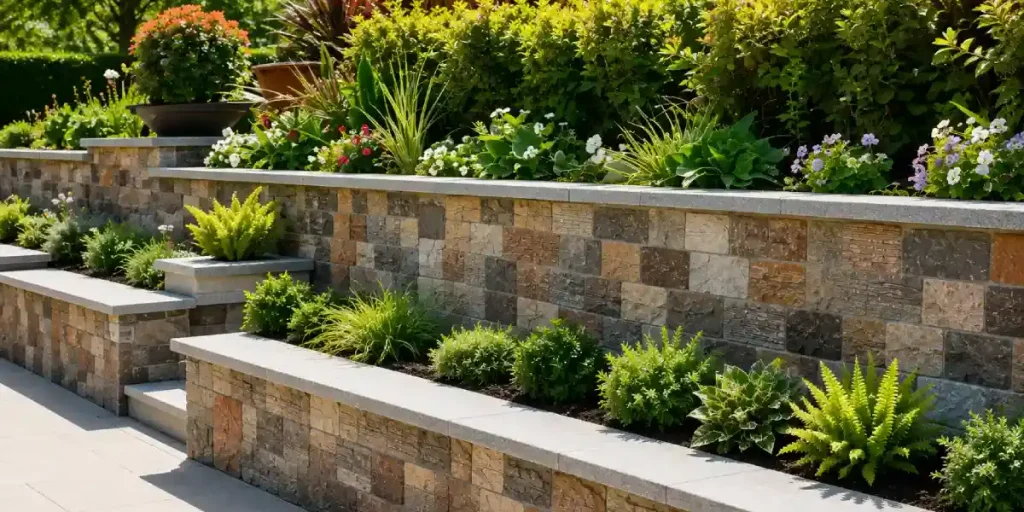
The non-living elements of your yard are hardscaping. These are the permanent structures that frame the remaining landscape. Examples are stone patios, brick walks, concrete driveways, etc.
It also provides practical features such as retaining walls, outdoor living spaces such as fire pits, etc.
Key Differences Between a Hardscape and a Landscape
Comparing the two as a means to understand the distinction between hardscape and landscape is a great way to explain the differences. Landscape versus hardscape are distinct, but typically exist within the same overall theme.
| Factor | Hardscape | Landscape |
| What it is | Built, non-living elements of an outdoor space | The broader design and improvement of an outdoor property |
| Main elements | Patios, walkways, driveways, retaining walls, steps | Trees, shrubs, grass, flowers, planting beds, and other outdoor elements |
| Primary purpose | Adds structure, access, durability, and usable space | Enhances appearance, function, greenery, and the overall outdoor environment |
| Materials | Concrete, pavers, natural stone, brick, gravel, and other construction materials | Plants, soil, mulch, grass, trees, shrubs, and other living or natural elements |
| Maintenance | Cleaning, repairs, joint maintenance, and checking for wear or settlement | Watering, pruning, mowing, mulching, weeding, and seasonal plant care |
| Longevity | Generally designed for longer-term structural use | Living elements grow, change, and may need replacement over time |
| Role in outdoor living | Creates patios, pathways, seating areas, and other usable spaces | Adds greenery, shade, privacy, and natural character around those spaces |
| Relationship to the other | Provides structure that can organize the landscape | Integrates hardscape into the surrounding property with plants and natural elements |
One should keep in mind that any hardscape is really part of the entire landscape terrain. You don’t have to choose between one or the other; instead, you use hardscape to provide your landscape with a permanent shape.
How Landscaping and Hardscaping Work Together
Hardscaping and landscaping work best together to create functional outdoor spaces in Chesapeake. Now you have a well-rounded yard.
Hardscape Creates Structure
Hardscaping provides the foundation. It establishes the location of the “rooms” of your yard. A stone patio makes a good focal point for a family meal, and walkways provide pathways and access to various areas of the property. These built features add useful outside space, which helps prevent muddy areas when it rains.
Landscape Softens and Connects the Space
If a yard only uses stone, it can appear chilly and industrial. This is where the landscape and the hardscape elements come together. The use of trees and plants around patios helps to soften the hard edges of the stone. Walkway plantings add to the welcoming nature of the path. A combination of landscape and hardscape elements creates a strong, welcoming yard.
Combining Hardscape and Landscape for Your Yard
Hardscaping and landscaping go hand in hand, and they’re more than just pretty; they create a structure for your yard. Making it more than a comparison, you can design a yard that will perform better in the local climate.
Build Around the Property’s Existing Conditions
Use grading and drainage as a starting point in the plan. Do not compete with vegetation and trees; if possible, work with them. The impact of hard surfaces such as a big concrete driveway on the flow of water is important to take into account. Incorporate lots of hard surfaces, and you may need to include drainage solutions to manage the additional runoff.
Combine Built and Living Elements
Integrated planning aids in controlling the yard environment. For instance, erosion on a slope can be prevented by retaining walls with suitable planting. Consider using permeable hardscape. Gravel or specially designed pavers allow water to percolate into the soil. Patio shrub borders serve as a windbreak and as a screen for privacy. These combinations help prevent erosion and can help create a more connected yard.
Consider Seasonal Maintenance
Follow the simple seasonal approach that is outlined above to maintain the display throughout the season:
Drainage and Grading Inspection: After rain, check your drainage and grading to ensure that all of the systems are still working properly.
Summer: Continue to keep track of the moisture in your plants and soil. Particularly during heat waves and in hardscape areas for any changes.
Winter: Ensure that stone and wood features remain in good condition despite freezing temperatures and excess moisture.
Benefits of Landscaping and Hardscaping
Landscaping and hardscaping can improve how your property looks, functions, and handles everyday outdoor challenges. The right combination can also make your yard easier to maintain and more enjoyable to use.
| Landscaping Benefits | Hardscaping Benefits |
| Adds natural beauty and greenery | Creates durable outdoor living areas |
| Helps manage erosion and drainage | Defines walkways, patios, and gathering spaces |
| Supports local plants and wildlife | Requires less routine care than many planted areas |
| Can provide shade and cooling | Improves accessibility and property function |
| Softens large or unused spaces | Adds structure and visual balance |
Common Mistakes in Hardscaping and Landscaping
Poor planning can lead to drainage problems, costly repairs, and difficult maintenance. Some of the most common mistakes include:
| Common Mistake | What It Can Cause |
| Ignoring drainage | Standing water, erosion, and water damage |
| Choosing plants unsuitable for the site | Poor growth and frequent replacement |
| Skipping proper site preparation | Settling, cracking, or uneven surfaces |
| Using the wrong materials | Premature wear and higher maintenance |
| Overcrowding plants or features | Competition for space, water, and sunlight |
| Neglecting property grading | Runoff toward structures or unwanted pooling |
| Failing to plan for maintenance | Overgrown areas and increased upkeep |
| Mixing too many styles | An unbalanced or disconnected appearance |
Frequently Asked Questions
Is hardscaping considered landscaping?
Yes, hardscaping is generally considered a part of landscaping. It supplies structure for the plants and grass to grow around.
What are some examples of hardscaping?
These include patios, walkways, retaining walls, driveways, decks, fire pits, and outdoor kitchen areas.
Can landscaping and hardscaping be installed at the same time?
Yes, they can be completed together. When paired together, the result is a fully functional outdoor area that’s functional for both people and nature.
Landscaping or hardscaping, which one should be done first?
Site preparation and grading are always done first for any site. Typically, the next step is the hardscape installation, followed by the final planting of trees, shrubs, and grass.
Final Thoughts
Landscaping is the grand plan for an outdoor improvement. And hardscaping is the project that creates a usable yard. The two complement each other best when incorporated into a cohesive and aesthetically pleasing design.